
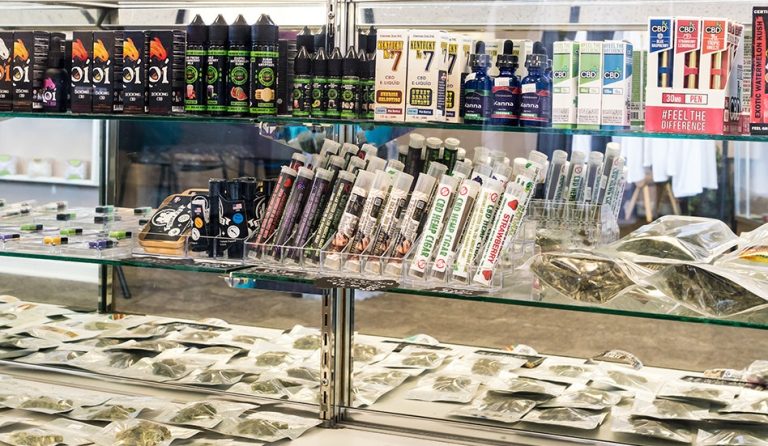

Virginia’s Hemp Law Upheld: What It Means for Consumers and Businesses
The U.S. Fourth Circuit Court of Appeals has recently upheld Virginia’s restrictions on intoxicating hemp products, ruling that these laws do not violate federal law. This decision was reached on January 7, 2023, and is significant for both consumers and businesses involved in the hemp industry.
Overview of Virginia’s Hemp Legislation
Under the provisions of Senate Bill 903, which took effect on July 1, 2023, the state of Virginia has implemented strict regulations regarding hemp products. Key aspects of the law include:
- Hemp products must contain no more than 0.3% total THC, including all forms of THC such as THCA.
- Each package sold can contain no more than 2 milligrams of THC.
- Processors are prohibited from selling industrial hemp or extracts to individuals that they suspect will misuse the products concerning THC limits.
Federal vs. State Law: A Legal Standpoint
At the heart of this dispute is a clash between state law and the federal 2018 Farm Bill, which defines hemp as containing no more than 0.3% delta-9 THC on a dry-weight basis. The Farm Bill does not consider total THC, which has become a point of contention.
The Fourth Circuit Court noted that the federal government permits states to impose stricter regulations on health and safety matters. Judge A. Marvin Quattlebaum Jr. emphasized that Virginia has the authority to regulate psychoactive products to protect its citizens, particularly vulnerable groups such as children.
Plaintiffs’ Concerns
The ruling results from a lawsuit filed by three stakeholders: North Virginia Hemp and Agriculture LLC (NOVA Hemp), Franny’s Farmacy, and a Virginia resident, Rose Lane. These plaintiffs argued that the new regulations effectively criminalized many of their products and hampered their business operations. Franny’s Farmacy, which has operations in Virginia, claimed it faced losses due to the inability to ship over 100 products under the new law.
The plaintiffs also worried about public access to hemp products, as individuals like Rose Lane, an elderly resident, relied on these items for health purposes.
Compliance and Enforcement
To ensure that businesses comply with the new regulations, S.B. 903 has set up a regulated hemp product retail facility registration system, which comes with an annual licensing fee of $1,000. Additionally, there are stringent packaging, labeling, and testing requirements that aim to standardize the sale of hemp products in Virginia.
The law enforces a civil penalty of up to $10,000 per day for violations. Since the introduction of S.B. 903, the Virginia Department of Agriculture has conducted over 424 inspections, resulting in approximately $10.8 million in preliminary civil penalty assessments, evidencing the seriousness of enforcement efforts.
The Broader Implications
The appellate court’s decision signifies broader implications for other states, potentially paving the way for stricter local laws regarding hemp and cannabis products. As Virginia lawmakers have expressed concern about unregulated hemp-derived products like Delta-8 THC and their potential psychoactive effects, they have taken proactive steps in ensuring public safety.
Judge Quattlebaum highlighted that the federal government supports enhanced state regulation given the risks associated with these products, especially considering reported adverse effects involving children.
Conclusion: Virginia’s Stance on Hemp Regulation
The Fourth Circuit Court’s ruling provides a solid legal foundation for Virginia’s hemp legislation. As states navigate the complexities of hemp regulation following the 2018 Farm Bill, Virginia sets an example showcasing its commitment to safeguarding public health while regulating economic activities.


0 Comments