
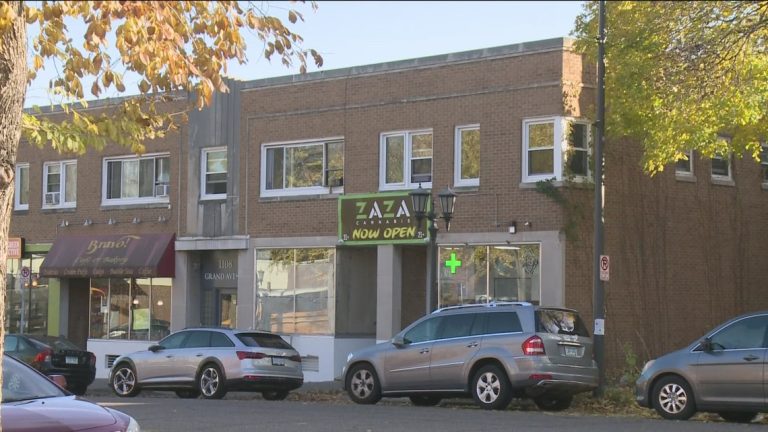

Legal Challenges in Minnesota’s Cannabis Industry: Zaza Cannabis Under Fire
As Minnesota navigates its burgeoning cannabis landscape, the state’s Office of Cannabis Management (OCM) has taken a decisive step in addressing legal compliance issues within the industry. The focus has turned to Zaza Cannabis, a dispensary in St. Paul, which is embroiled in a lawsuit over severe violations of cannabis laws.
An Overview of Minnesota’s Cannabis Regulations
Before delving into the allegations against Zaza Cannabis, it is essential to understand the regulatory framework of Minnesota’s cannabis industry. Enacted under Minnesota Statutes Chapter 342, the cannabis law establishes legal limits on THC (tetrahydrocannabinol) levels, defines compliance protocols, and outlines the responsibilities of dispensaries.
Although the OCM has not finalized all operational rules, interim director Charlene Briner indicated that most businesses are expected to adhere to the law, highlighting a significant improvement in compliance rates. Initially, compliance was alarmingly low, with only 25-30% of dispensaries meeting regulatory standards. However, that figure has now risen to approximately 75-80% as the OCM intensifies its educational efforts to reinforce compliance.
The Allegations Against Zaza Cannabis
The situation escalated when OCM inspectors visited Zaza Cannabis. During their first visit, an inspector observed an employee suspiciously exiting through a back door with a bag. This prompted a follow-up inspection, where the OCM took precautionary steps by positioning one inspector at the back exit to catch any further attempts to dispose of non-compliant products.
The inspectors’ efforts were validated as they discovered hundreds of illegal vaping products, cannabis buds, and pre-rolls. The most shocking findings included THC levels of some products soaring to nearly 30 times the legal limit. Additionally, issues were identified concerning improper labeling and discrepancies in certificates of analysis (COAs), which are essential for confirming product integrity.
Legal Consequences and Implications
If the court rules in favor of the OCM, Zaza Cannabis could face severe repercussions. The dispensary would be disqualified from holding a cannabis license for a period of five years. All seized products would be destroyed at the expense of the business, along with any additional court-related costs. This harsh penalty serves as a critical reminder to other players in the industry about the importance of adherence to regulatory laws.
A Broader Message for the Industry
Briner emphasized the OCM’s commitment to maintaining integrity within the cannabis market. She stated, “You assume that they may be confused or not fully understand the expectations, but once they’ve been given that opportunity…and have continued to demonstrate that they are unwilling or unable to follow the law, that’s where we step in.” This approach indicates a strong willingness to send clear messages throughout the industry, reinforcing the necessity of compliance for all businesses.
Support and Representation
The Minnesota Attorney General’s office is set to represent the OCM in court, reflecting the state’s serious approach to enforcing cannabis regulations. Meanwhile, Zaza Cannabis has not publicly responded to media inquiries about the ongoing lawsuit, leaving many questions unanswered about their defense strategy and future operations.
The Road Ahead for Minnesota’s Cannabis Industry
As Minnesota’s cannabis market evolves, the Zaza Cannabis case represents a pivotal moment for regulatory enforcement. Other dispensaries should take note of the consequences faced by non-compliant retailers, as the state aims to foster a responsible cannabis industry where operators follow the law.
Ongoing compliance will be essential in retaining public trust and securing a stable market environment. Stakeholders in the cannabis sector must remain vigilant and proactive to ensure that they meet regulatory standards and contribute to the industry’s growth in a responsible manner.
Conclusion
The legal actions against Zaza Cannabis serve as a cautionary tale for all entities operating in Minnesota’s cannabis market. As the OCM works to finalize regulations and hold violators accountable, the industry’s future hinges on compliance, integrity, and a commitment to consumer safety. For now, stakeholders will be watching closely as this case unfolds in the courts.


0 Comments