
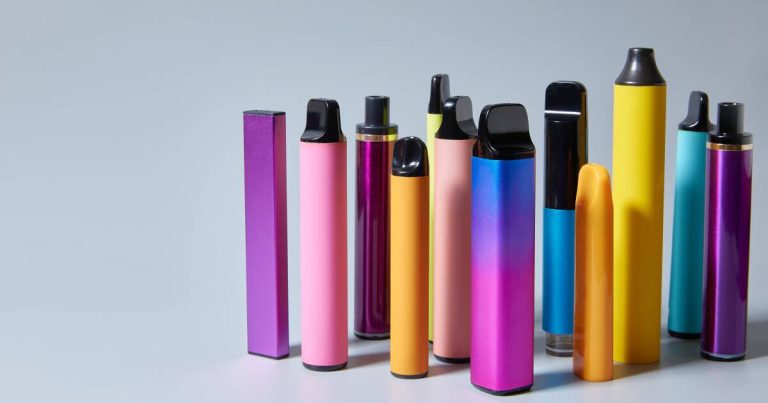

New Vaping Regulations in Australia: What You Need to Know
Recent concerns regarding the rising trend of vaping among young Australians have prompted the government to implement stricter regulations. These changes aim to balance the need for youth protection with the benefits of vaping as a smoking cessation tool. As Australia gears up for new legislation effective from October 1, 2024, it is crucial to understand the implications of these changes.
Overview of the New Vaping Laws
The upcoming regulations will permit pharmacists to dispense low-strength nicotine vapes to adults without a prescription. However, for individuals under 18 years old, a prescription remains necessary. This legislative approach reflects a commitment to protecting young people while providing adults with a pathway to quit smoking.
Access to Vapes by Young People
Legally, nicotine vapes have long been unauthorized for purchase in Australia without a prescription, with sales limited to pharmacies and medical practitioners. Until recent changes, nicotine-free vapes remained legal, allowing retailers such as convenience stores and vape shops to sell them, unfortunately, leading to loopholes where minors could easily access nicotine vapes.
Understanding the Roots of Vaping Accessibility
Young users often acquire vapes from a variety of sources, including illicit suppliers who have been found selling nicotine vapes to minors. The prevalence of illegal online sales and social media marketplaces further complicates regulation, as young people utilize networks of friends and family for access.
Safety and Health Implications of Vaping
One of the critical discussions surrounding vaping is its safety profile. While vaping can present advantages for smokers looking to quit, it also poses risks, especially for non-smoking youth. Concerns include potential addiction, reduced physical fitness, lung health impacts, and exposure to harmful contaminants.
Current State of Vape Regulation
As it stands, no vapes in Australia have undergone the rigorous approval process typically required for therapeutic products. The Therapeutic Goods Administration (TGA) has established a product quality standard, allowing pharmacists to supply vapes without assessing their safety or effectiveness comprehensively. Although temporary use of pharmacy-supplied products is generally deemed safe, the long-term implications of vaping remain uncertain.
Government Interventions to Curb Youth Vaping
The federal government has initiated measures to limit access to vaping products, including banning the import of disposable vapes starting January 1, 2024. The regulation of all vapes as therapeutic goods from July 1 aims to restrict their availability to pharmacies, effectively cutting off access through convenience stores and other retailers.
A Prescription Requirement for Vaping Products
From September 30, 2024, only those over 18 can purchase low-dose nicotine vapes without needing a prescription. For minors and adults requiring higher doses, a prescription remains mandatory. This tiered approach is designed to manage who can access vaping products based on age and health needs.
Will All Pharmacies Offer Vapes?
Not all pharmacies will carry vaping products even after the new laws come into effect. While it’s possible for pharmacists to supply vapes with a nicotine content of up to 2 percent to consenting adult customers, some may choose not to stock these products or only dispense prescribed items. Each pharmacy will make its determination based on a range of factors, including their professional judgment about what is appropriate for their customers.
The Debate on Banning Vapes Entirely
Critics of vaping often advocate for an outright ban due to the risks associated with youth access. However, it is essential to recognize that vapes were initially developed as a less harmful alternative for adult smokers. Evidence suggests that, when paired with additional support such as counseling, vapes can be effective in assisting some individuals in quitting smoking.
Assessing the Effectiveness of Australia’s Approach
As new regulations roll out, the effectiveness of Australia’s strategies to deter youth vaping remains to be seen. Recent reforms aim to limit the accessibility of nicotine vapes, and anecdotal evidence indicates a shift in pricing that could further deter young users. It is crucial that ongoing support is provided for young individuals who have engaged in vaping, with programs targeting cessation and education about the risks of smoking and vaping.
Long-term Strategies and Final Thoughts
Ultimately, it is vital to ensure that young people are not transitioning to traditional smoking as a substitute for vaping. While the recent reforms implement significant changes in the provision of vaping products, cigarettes remain readily available without the same restrictions. A comprehensive approach that encompasses tighter tobacco control measures and promotes public health education about the risks of smoking and vaping will be necessary moving forward.


0 Comments