
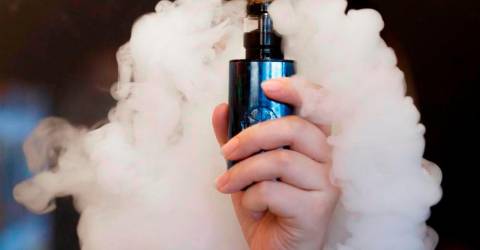

Navigating the New Vaping Regulations: Challenges for the Local Vape Industry
The implementation of a new smoking law signifies a pivotal moment for the local vape industry, imposing tighter restrictions analogous to those governing traditional tobacco products. This legislative change presents a host of challenges that could reshape the landscape for businesses and consumers. In this article, we will delve into the implications of these regulations, examining how they may affect operational costs, competition, sales performance, and public perception.
Operational Costs and Compliance Challenges
One of the foremost concerns arising from the new smoking law is the anticipated surge in operational costs for vape shop owners. With stricter compliance requirements now on the table, businesses will likely need to invest heavily in modernizing their systems to meet regulatory demands.
- Enhanced Age Verification: Vape shops may be mandated to implement more robust age-verification mechanisms. This could involve adopting advanced technology solutions, which come at an upfront cost.
- New Labeling and Packaging Standards: Compliance with updated labeling and packaging requirements will necessitate rebranding efforts for many vape products. The investment needed for this transition could be significant, especially for smaller establishments.
The financial implications of these changes could be twofold: higher operational costs might force vape shops to increase their prices, which could alienate cost-sensitive consumers. This scenario is particularly concerning for smaller shops that may struggle to cope with these rising expenses, potentially squeezing profit margins and threatening their survival.
Impact on Sales and Customer Foot Traffic
The enactment of the smoking law may also restrict where vaping products can be sold and consumed, leading to a decline in customer foot traffic. If regulations align with those for traditional tobacco, vaping could be restricted in various public spaces, diminishing consumer visibility and accessibility to vape products.
- Restricted Sales Locations: New regulations may limit the sale of vaping products to specific venues, which could detrimentally affect overall sales.
- Public Consumption Restrictions: Banning vaping in public places would reduce the opportunity for consumers to see and engage with vaping products, potentially impacting long-term brand loyalty.
As a result, the local vape industry must strategically navigate these potential obstacles to maintain customer engagement and encourage purchases.
Competition from Larger Tobacco Companies
In addition to operational challenges, the potential for increased competition from established tobacco companies poses a significant threat to smaller, independent vape shops. Larger companies with greater resources may find it easier to adapt to the new regulatory landscape, which could create an uneven playing field.
- Market Adaptation: Well-established tobacco companies possess the capital to quickly implement changes necessary for compliance, enabling them to absorb costs more effectively than smaller retailers.
- Brand Recognition: Larger firms may leverage their existing brand equity and market share to dominate the vaping space, making it increasingly difficult for independent shops to compete.
This burgeoning competition could lead smaller establishments to rethink their strategies, reassess their market positioning, and explore innovative approaches to draw in customers.
Public Perception and Health Debates
The ongoing discourse surrounding the health implications of vaping versus smoking plays a crucial role in shaping the future of the vape industry. With a growing body of research emerging, public sentiment could evolve, which may, in turn, impact sales figures and lead to enhanced regulatory scrutiny.
- Shifting Sentiment: Public perception of vaping as a legitimate smoking cessation tool may be influenced by new studies revealing either health benefits or concerns.
- Regulatory Responses: A shift in the public’s attitude could prompt lawmakers to enact stricter controls or, conversely, support regulations that foster the vaping industry’s growth.
The industry finds itself at a crossroads, suggesting the need for advocates to proactively engage in discussions about the perceived risks and benefits of vaping. By educating the public about vaping’s potential as a less harmful alternative to smoking, they might bolster support for more favorable regulations.
Advocating for Balanced Regulations
With these multifaceted challenges come opportunities for vape shop owners and advocates within the industry to push for a more balanced regulatory approach, recognizing the distinctiveness of vaping.
- Promote Vaping as a Smoking Cessation Tool: Industry representatives can emphasize the role of vaping in helping smokers transition away from traditional cigarettes, which may resonate positively with public health advocates.
- Involvement in Legislative Processes: Staying informed and actively participating in legislative discussions can be crucial for shaping regulations that consider the complexities of the vaping market.
By advocating for fair treatment within the regulatory framework, local vape businesses can work toward crafting an environment that supports both public health and consumer choice while ensuring their long-term viability.
Conclusion
The new smoking law heralds significant changes for the local vape industry, presenting a mixture of challenges and opportunities. As business owners adjust to increased operational costs, heightened competition, and shifts in public perception, their ability to advocate for fair regulations will be essential in navigating this evolving landscape. By remaining active in the legislative process and promoting vaping’s benefits, the industry can aim to sustain its customer base and contribute positively to public health goals.


0 Comments