
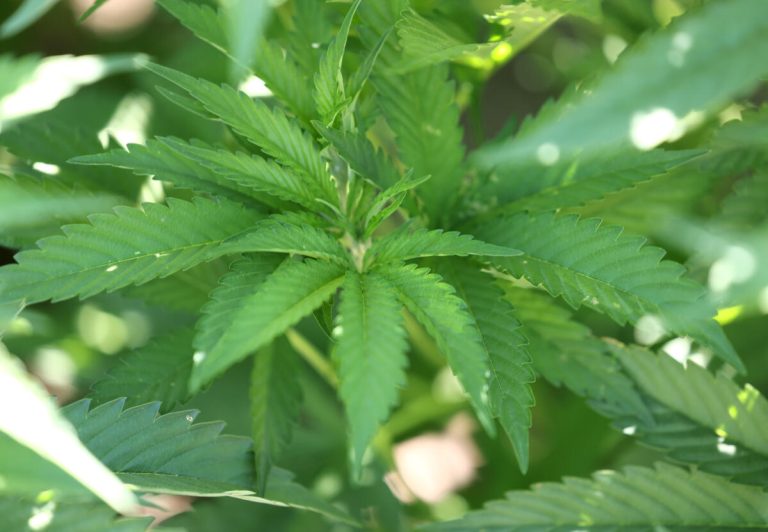

Challenges Facing California’s Cannabis Industry: A Deep Dive
Current State of California’s Cannabis Tax Revenue
As of the end of June 2024, California’s cannabis tax revenue has shown a concerning downward trend. The state collected a total of $263.1 million in cannabis taxes, a significant drop of nearly $100 million compared to three years ago. This decline reflects the fierce competition between legal cannabis sales and the uncensored hemp market, which is proliferating in the state.
Sales Tax Analysis
The sales tax specifically generated from cannabis activities paints an equally troubling picture, totaling $108.7 million for the previous quarter, a decrease of over 9% year over year. When broken down further, cannabis taxable sales for the second quarter reached $1 billion, which represents a staggering one-third reduction compared to the $1.5 billion reported during the same period in 2021.
Factors Contributing to Revenue Decline
The cannabis sector has attributed its revenue decline to a variety of factors, most notably:
- Competition From the Illicit Market: The unregulated market for cannabis continues to thrive, undermining legal sales and taxation.
- Hemp Industry Impacts: The emergence of hemp products, particularly those with increasing THC concentrations, has further affected profit margins for cannabis businesses.
Regulatory Challenges
In response to these challenges, Governor Gavin Newsom has proposed emergency regulations aimed at controlling the hemp market’s excesses. These regulations aim to restrict the allowable THC content in hemp products to 0.3% and introduce stringent labeling requirements. However, industry critics argue that some producers are finding ways around such laws, leading to an increase in sales of more potent hemp beverages and edibles.
Calls for Equitable Regulation
Cannabis advocates, including those from the California Cannabis Industry Association, are vehemently requesting a level playing field where hemp products would be subjected to the same rigorous regulations imposed on cannabis. Tiffany Devitt from CannaCraft emphasized that California voters have made clear their desire for a well-regulated and taxed cannabis industry, as outlined in Proposition 64.
Government Response and Community Support
In light of escalating concerns about intoxicating hemp products targeting youth, recent proposals introduced by Governor Newsom include:
- Banning hemp with detectable THC levels.
- Limiting packaged products to five servings.
- Restricting sales solely to individuals over the age of 21.
Youth advocacy groups, such as Youth Forward, have expressed their support for these regulations, citing instances of misleadingly marketed products that attract younger consumers.
The Road Ahead: Legislative Efforts
Despite the push for new regulations, past attempts, such as Assembly Bill 2223 authored by Assemblywoman Cecilia Aguiar-Curry, have faced significant hurdles. The bill, which aimed to tighten hemp regulations, was halted in the appropriations committee before it reached a vote.
Curry expressed her frustration over the failure of this bill, emphasizing the pressing need for legislative action to protect consumers and ensure the integrity of California’s cannabis market. Advocates within the industry remain committed to revisiting these legislative efforts in the upcoming session set to start this November.
Industry Perspectives
Industry representatives like Amy O’Gorman Jenkins from the California Cannabis Industry Association lament the loss of vital consumer protection measures. They argue that the unregulated hemp market not only poses risks to consumer safety but also jeopardizes the future livelihood of the legal cannabis sector.


0 Comments