
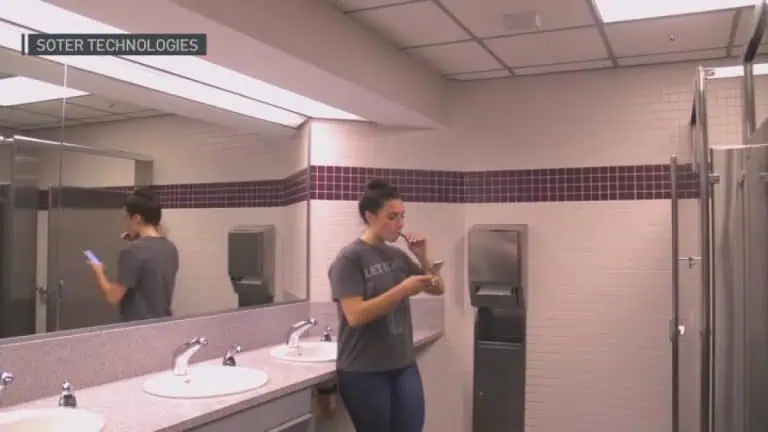

Montgomery County Public Schools Takes Action Against Vaping with New Vape Detectors
The new academic year is marking a significant intervention by Montgomery County Public Schools (MCPS) in their ongoing battle against vaping among students. To combat this growing issue, the school district is planning to implement vape detectors in high school bathrooms, funded by a substantial $2 million settlement from a legal agreement with e-cigarette manufacturer Juul.
The Innovative Approach to Curb Vaping
In an effort to proactively address the vaping crisis, MCPS has decided to invest in technology that aims to detect vape smoke. The innovative detectors are designed to either trigger an alarm or alert school administrators when vapor is detected, allowing for timely investigations into the situation. This endeavor represents a commitment to creating a safer school environment.
Montgomery County Board of Education President Karla Silvestre emphasized the importance of this initiative, stating, “We want to get ahead of it; we want to prevent it. We want to educate… but also have systems like this in place so that they’re not going to be able to do it so easily in school bathrooms.”
Pending Approval and Pilot Programs
While the plan is set in motion, MCPS is still awaiting final approvals from the Montgomery County Council regarding the allocation of the $2 million fund. The timeline for the installation of these devices remains unclear as the council has yet to announce a voting date.
Last year, the school system embarked on a pilot program across six high schools, namely, Kennedy, Northwood, Paint Branch, Quince Orchard, Richard Montgomery, and Walt Whitman. This pilot provided valuable insights into how effectively the detectors functioned and highlighted areas for improvement.
Concerns and Challenges with Vape Detection Technology
During a recent school board meeting, some members expressed their concerns regarding the efficacy of the detectors based on feedback from students. Notably, student board member Praneel Suvarna pointed out that the detectors could be falsely triggered by common items such as perfume, indicating the need to refine the technology for accuracy and effectiveness.
Furthermore, officials recognized the necessity for increased staffing to maximize the effectiveness of the detectors. Silvestre stated, “It’s great that these vape detectors are installed, but when they go off, somebody needs to respond and apply the appropriate consequences.” This emphasizes the importance of not just installing technology, but also ensuring a robust system for enforcement and accountability.
Historical Data and Impact of Vaping
Despite requests for current data on vaping incidents within the school system, reports indicate that MCPS has addressed 424 incidents involving drugs or controlled substances, which includes vapes, over the past two years. The data highlights the ongoing challenges schools face in managing the implications of vaping among students.
The case of Stafford County Public Schools in Virginia serves as a precedent, as this district had already deployed vape detectors in bathrooms a year prior, illustrating a broader trend among educational institutions to tackle the growing concern of vaping.
Conclusion: A Step Towards Healthier Schools
As Montgomery County Public Schools heads into this academic year, the implementation of vape detectors marks a crucial step toward creating a healthier school environment. By combining technology with proactive education and enforcement, MCPS aims to not only prevent vaping in school settings but also to foster awareness and understanding of the potential health risks associated with e-cigarettes.
Frequently Asked Questions
1. What are vape detectors and how do they work?
Vape detectors are specialized devices that can identify the presence of vapor in the air. When vapor is detected, the device can either trigger an alarm or send an alert to designated school staff for investigation.
2. Why is Montgomery County investing in vape detectors?
MCPS is investing in vape detectors as part of their effort to combat the increasing issue of student vaping, promote a healthier school environment, and enforce rules regarding substance use among students.
3. How many incidents related to vaping have occurred in MCPS?
Over the past two years, MCPS has reported 424 incidents involving drugs or controlled substances, which includes vaping-related cases.
4. What feedback did students provide regarding the pilot program?
Students raised concerns that vape detectors might be triggered by non-vaping items such as perfumes and emphasized the importance of ensuring that the technology works reliably.


0 Comments