
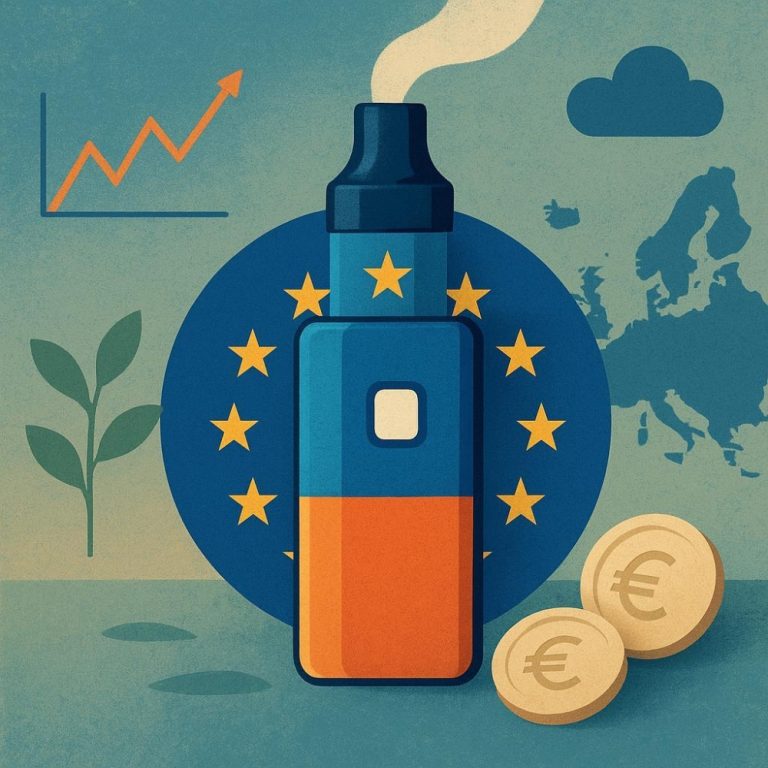

The EU’s proposed vape-tax reform has stalled at ECOFIN, leaving manufacturers, distributors and retailers to make decisions without a settled EU-wide framework. The discussions may be happening in Brussels, but tax exposure, pricing and compliance still need to be assessed market by market.
Until the policy picture becomes clearer, brands should keep track of national rules and official updates. Waiting for a single European answer could leave businesses unprepared for changes in individual markets.
Table of Contents
The ECOFIN pause
ECOFIN is the Council of the European Union’s configuration for economic and financial affairs. It brings together national finance ministers to discuss shared policy. The proposed EU vape-tax reform has stalled there, so businesses do not yet have a settled EU-wide outcome to plan around.
A pause in negotiations does not mean reform has been abandoned. Nor should brands assume that national tax policies will wait for Brussels to reach an agreement. For now, the practical questions are what rules apply in each market and what might change if negotiations resume.
Monitor official EU and national announcementsand treat future proposals as planning scenarios-not as rules already in force.
Different rules across markets
The EU single market does not mean vape products face identical tax rules in every member state. While the proposed reform remains unsettled, brands need to check the national rules that apply to their products and operations.
That means confirming which products are covered,how any tax is calculated,who has registration or reporting duties,and when a rate or rule takes effect. These details can affect landed costs and wholesale prices, so a country-level check is more useful than relying on a Europe-wide average.
Product classification also deserves attention.National rules may define taxable products in different ways. Check how each law applies to each SKU rather than assuming that a product is treated the same way in a neighboring market.
Planning market by market
A country-by-country vape tax plan helps brands base decisions on rules actually in force, rather than on a proposal that has not been adopted. A change in one national market does not automatically set the terms for another.
Keep a record for each market and product range, including the relevant rules, official updates and pricing assumptions.Connect those tax assumptions to commercial decisions so that, if a rate, classification or effective date changes, teams can assess the implications for pricingorders and existing agreements.
It is also useful to compare current assumptions with possible future policy scenarios while negotiations remain unsettled. Make clear internally that a proposal is not a rule until it has been formally adopted and implemented. assign someone to monitor official announcements and share relevant updates with tax, legal, sales and supply teams.
Brussels discussions may shape what comes next, but businesses still need to prepare for the rules in each market today. A country-by-country approach will not remove uncertainty; it can help prevent a national change from becoming an unwelcome surprise elsewhere.


