

The Growing Dangers of Vaping in Costa Rica: A Public Health Crisis
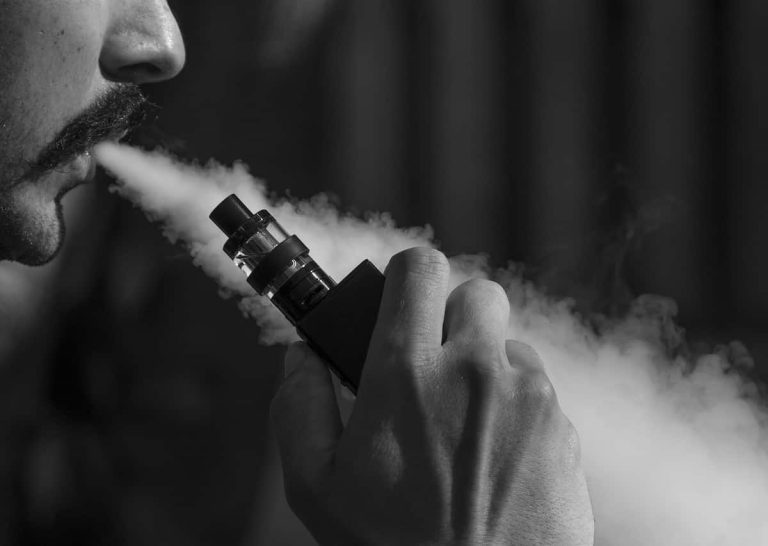
Costa Rica has recently sounded the alarm on the escalating public health risks associated with vaping, particularly among minors. The Minister of Health, Mary Munive, articulated concerns regarding the presence of hazardous substances often detected in electronic smoking devices, underlining a serious threat to the health of the youth.
Vaping: A Health Risk Disguised as Fashion
“Vaping is something that arrived many years ago and has become fashionable, but it is a health risk product,” Munive remarked. This statement highlights the troubling trend where vaping, initially perceived as a trendy alternative to smoking, is now recognized as a significant health hazard, especially for adolescents. Parents and caregivers are being urged to remain vigilant about their children’s habits, as the use of these devices continues to proliferate among young individuals.
Munive’s concerns extend beyond the general health risks; they focus particularly on the vulnerable nature of minors. “We are concerned that a population as vulnerable as minors is being exposed to these risks,” she emphasized. The creeping normalization of vaping in youth culture raises the stakes for public health, prompting further inquiries into what substances are being inhaled and the potential long-term consequences.
Illegal Substances: The Case of THC and Fentanyl
One of the alarming aspects of vaping is the potential use of cannabis-related products, particularly THC (tetrahydrocannabinol), the psychoactive component of cannabis. Despite regulations, many vaping products circulating in Costa Rica have been found to contain THC, which contradicts existing guidelines aimed at safeguarding young users.
Furthermore, the troubling emergence of fentanyl in vaping products has added a new layer of urgency to the situation. Fentanyl, a potent synthetic opioid, is infamous for its dangerously high addictive potential and lethality. Minister Munive warned, “Trying it can kill you,” shedding light on the myriad of dangers linked to fentanyl, especially when aimed at an impressionable audience.
Addressing the Crisis: Stricter Regulations and Public Awareness
In light of these dangers, the Costa Rican Ministry of Health is pursuing stricter regulations that would integrate vaping restrictions alongside those applicable to tobacco products. This proactive measure aims to close loopholes that have turned vaping into a bridge to more insidious substance use.
Complementing these regulations, a collaborative prevention campaign involving the Ministries of Health, Education, and Public Security has been launched. This initiative specifically targets high school students and aims to inform them about the severe risks posed by substances like fentanyl.
Fentanyl: A Youth-Specific Threat
Authorities are deeply worried about how fentanyl is marketed to young people. Manuel Jiménez, the Vice Minister of Public Security, elaborated on the troubling trends, emphasizing that fentanyl is often combined with other drugs familiar to youth. “Fentanyl is being mixed with other substances to which young people have easy access,” Jiménez warned. The unpredictability of these mixtures means that users may be unknowingly consuming dangerously potent combinations.
Jiménez noted that, “It is easier to prevent drug use than to rescue young people from its devastating effects,” highlighting the pressing need for effective preventative measures in schools, communities, and households. These preventative efforts are crucial in reducing exposure to addiction and health complications posed by these substances.
Conclusion: A Call to Action for Parents and Society
The warnings coming from Costa Rican officials cannot be taken lightly. As the landscape of substance use evolves, so too must our responses. Parents, educators, and community members must stay informed about the realities of vaping and the dangers it can pose. By fostering open discussions around these issues and supporting preventive measures, society can work towards a safer environment for its youth.


0 Comments