

The Role of Hemp Seed Oil in Combating Malaria
Malaria remains one of the most pressing health issues in tropical countries, with hundreds of millions of new infections reported each year. Despite being a preventable and treatable disease, malaria accounts for high morbidity and mortality rates, particularly in economically disadvantaged nations. The World Health Organization (WHO) estimated that in 2023, there were around 263 million malaria cases and 597,000 deaths across 83 countries, highlighting the urgent need for innovative solutions.
Understanding Malaria
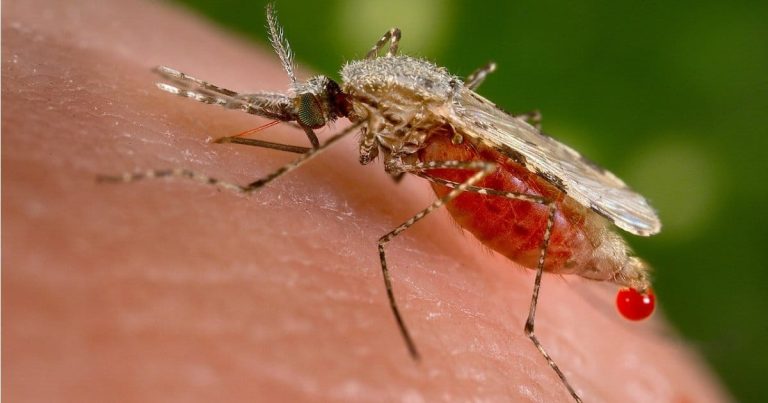
Malaria is transmitted through the bite of infected mosquitoes, primarily affecting regions where the climate is conducive to mosquito breeding. Commonly affected areas include parts of Africa, Asia, and Latin America. While there are effective medications available, such as artemisinin-based combination therapies, chloroquine, and primaquine, the search for new methods to combat this disease continues.
The Promise of Hemp Seed Oil
Recent research suggests that omega-3 and omega-6 fatty acids—found abundantly in hemp seed oil—could have a profound impact on malaria parasites. IND HEMP, a company based in the USA, reports findings that indicate these fatty acids may be lethal to malaria pathogens. This presents a hopeful avenue for both prevention and treatment.
Health Benefits of Hemp Seed Oil
In addition to its potential antiparasitic properties, hemp seed oil is posited to play a role in regulating the immune system. IND HEMP emphasizes that this regulation is crucial to avoid the “dangerous inflammatory cascade” associated with malaria. Unlike fish oil, which is another source of omega fatty acids, hemp seed oil is a more sustainable, plant-based alternative. Its cultivation aligns well with local farming practices, making it an attractive option for communities aiming to enhance their nutritional offerings.
Building Local Economies through Hemp Cultivation
IND HEMP advocates for local cultivation of hemp to enhance food security and promote economic resilience. By growing hemp, communities can reduce reliance on imported nutritional products while simultaneously supporting local agriculture. The byproduct of hemp oil extraction, hemp seed cake, is still rich in nutrients and can provide additional dietary benefits.
Partnerships for Progress
Recognizing the potential of hemp seed oil, IND HEMP has teamed up with the National Hemp Association (NHA) to initiate pilot programs across various African nations. The collaboration aims to explore the feasibility of developing and supplying hemp-based nutritional products, while also establishing agricultural and processing capabilities within Africa.
NHA Chair, Geoff Whaling, has expressed excitement about these initiatives, noting that the partnership not only showcases the health benefits of hemp but also seeks to stimulate local economies. In his upcoming visit to countries like Nigeria, Sierra Leone, and Ghana, Whaling plans to engage in conversations with local leaders about the advantages of integrating hemp seed oil and cake into their nutritional practices.
The Future of Hemp in Malaria Prevention
The intersection of agriculture, nutrition, and health offers a unique solution to addressing malaria. By investing in hemp cultivation and developing related nutritional products, communities have the opportunity to tackle a significant global health challenge effectively. The movement towards plant-based diets that include omega-rich foods like hemp seed oil may well be a key strategy in improving health outcomes and enhancing food security in malaria-affected regions.
Conclusion
The fight against malaria is multi-faceted, requiring innovative approaches and sustainable solutions. Hemp seed oil is emerging as a promising candidate to aid in this battle, offering not only potential health benefits but also a way to empower local economies. The collaborative efforts of IND HEMP and the NHA represent a significant step forward in utilizing agricultural resources to tackle malaria, ensuring a healthier future for affected communities.

0 Comments