

The Promising Role of CBD in Treating Autism Spectrum Disorder
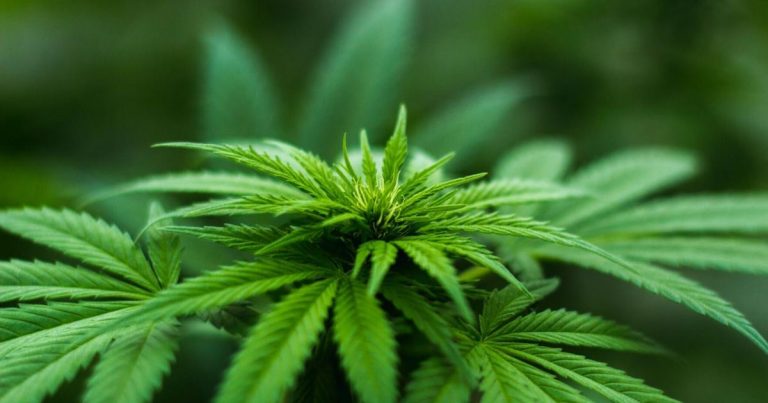
Photo by Michael Fischer via Pexels
By Stephen Beech
Cannabis extract may provide relief for children and teenagers with autism spectrum disorder (ASD), according to new research that has shown promising results in improving symptoms associated with the condition.
Understanding Autism Spectrum Disorder
Autism spectrum disorder (ASD) is a complex neurodevelopmental disorder affecting approximately one in every 100 children around the globe. Children with ASD often experience difficulties in expressing emotions, engaging in social interactions, and exhibiting repetitive behaviors or routines. The quest for effective treatments for managing symptoms has led researchers to explore various therapeutic options, including cannabidiol (CBD), a prominent compound derived from the cannabis plant.
Research Findings on CBD and Autism
Recent evaluations of three notable studies involving a total of 276 child and adolescent participants, with an average age of 10.5 years, have shed light on the potential benefits of CBD. Researchers analyzed the efficiency and safety of CBD in managing ASD symptoms and found that the use of this cannabis extract resulted in several noteworthy improvements:
- Social Responsiveness: Participants showed moderate enhancements in social interactions.
- Reduction in Disruptive Behaviors: The extract was associated with small yet significant reductions in behaviors that disrupt social functioning.
- Alleviation of Anxiety: Participants experienced a notable decrease in anxiety levels.
- Improved Sleep Quality: Many users reported better sleep patterns.
These findings suggest that CBD can lead to “meaningful benefits” in improving the behavior of children and adolescents diagnosed with ASD. Importantly, the research highlighted that CBD exhibits a favorable safety profile, with no significant increase in adverse effects compared to placebo treatments.
Expert Insights
Lead investigator Lara Cappelletti Beneti Branco from the University of São Paulo, Brazil, emphasized the growing prevalence of ASD diagnoses and the limited efficacy of many current treatment options. She noted, “It is promising to see the effect of CBD cannabis extract on the study participants,” while also urging for more extensive research with larger participant pools to further validate the efficacy and safety of CBD in managing autism symptoms.
Dr. Geert Dom, President of the European Psychiatric Association (EPA), echoed these sentiments, acknowledging the frustration faced by parents and clinicians in finding effective treatments for ASD. He stated, “ASD can be extremely frustrating for all involved… It is with delight that we see the results of this meta-analysis and we hope to see further research into this so we can move towards a solution to the unmet need within this community.”
Conclusion
The emerging evidence supporting the use of CBD in treating autism spectrum disorder offers a beacon of hope for families seeking effective management options. With promising research findings supporting the benefits of CBD in improving social responsiveness, reducing disruptive behaviors, alleviating anxiety, and enhancing sleep quality, further investigation into its therapeutic potential could pave the way for a groundbreaking treatment option in the realm of autism care.

0 Comments