
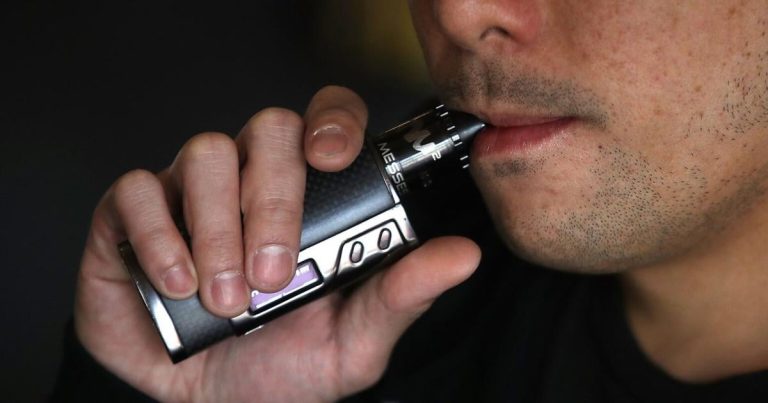

The Controversy Over Iowa’s New Vaping Legislation: An Update
In what has become a contentious issue within the state, Iowa has decided to postpone the enforcement of a new law that significantly restricts the sale of vaping products. Scheduled for enforcement next month, this law seeks to regulate the sale of electronic nicotine delivery systems—more commonly referred to as e-cigarettes and vaping products—by enforcing stringent marketing authorizations set by the Food and Drug Administration (FDA).
Understanding Iowa’s New Vaping Law
The legislation mandates that all vaping products sold in Iowa must either have received FDA marketing authorization or have a pending application filed by September 2020. This requirement intends to maintain product safety and consumer protection, though it has led to significant backlash from businesses operating in the vaping sector.
The Role of the Iowa Department of Revenue
To further outline the law’s impact, the Iowa Department of Revenue is tasked with publishing a directory of all certified vaping products. This registry is set to be made public this month. Retailers carrying products not on this list could face fines and additional enforcement actions starting next month, creating a sense of urgency within the industry.
Legal Challenges Against the Law
A cohort of vaping businesses, including Alternatives to Smoking & Tobacco Inc., Global Source Distribution, and Triton Distribution, have filed a lawsuit against the state in the U.S. District Court for the Southern District of Iowa. Their challenge is rooted in claims that the new law infringes upon constitutional rights, including the supremacy clause and equal protection clauses of both the U.S. and Iowa constitutions.
Pursuing an Injunction
As part of their legal strategy, these companies are seeking an injunction to temporarily halt the law’s enforcement until the court can hold a hearing on the case. The Iowa Attorney General’s Office has acknowledged the need for further analysis of this new legislation, which has prompted the delay in enforcement.
Upcoming Hearings and Legislative Background
A court hearing regarding the lawsuit is set to occur on March 5. The law in question—House File 2677—was introduced in the Iowa Legislature on March 27, 2024, and garnered substantial backing from lobbyists representing major tobacco companies like R.J. Reynolds. Following its introduction, the bill passed through both legislative bodies and was signed into law by Governor Kim Reynolds on May 17, 2024.
The Impact on Retailers
The plaintiffs argue that the law will strain the retail sector, as most vaping products currently available lack FDA authorization. Given the FDA’s measured approach to enforcement, many products remain in limbo, which the plaintiffs claim will result in a limited number of approved products on the upcoming state registry.
The anticipated scarcity of approved products is expected to adversely affect retailers, who may struggle to remain profitable under the new regulations. They express concern that the law disproportionately impacts businesses by allowing the sale of certain unauthorized tobacco-derived nicotine products while excluding those using non-tobacco-derived nicotine.
Potential Changes Under a New Administration
Another noted aspect in the lawsuit involves potential policy changes under the incoming Trump administration. The plaintiffs speculate that revisions in FDA enforcement policies could lead to increased market opportunities for electronic nicotine delivery systems, even while their pre-market applications are still pending.
Conclusion
The unfolding legal situation in Iowa highlights the complex intersection of public health policy, legal rights, and commercial interests in the booming vaping industry. With a hearing date approaching and ongoing debates about the implications of the law, the vaping community and lawmakers alike will be watching closely to see how these issues are resolved.


0 Comments