

Controversial Recommendation: A Psychiatrist’s Public Reprimand for Advocating Marijuana Use in a Minor
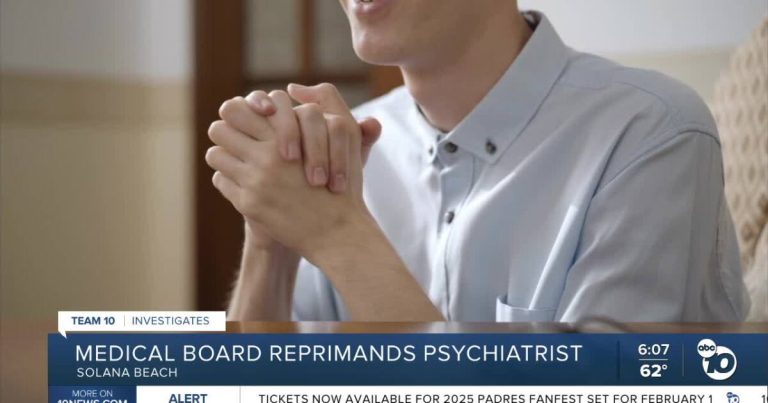
The medical community has recently been shaken by a significant public reprimand issued to Dr. Edward Siegel, a psychiatrist based in Solana Beach, California. This disciplinary action comes after Dr. Siegel controversially recommended that the parents of a 14-year-old boy allow their son to use marijuana in an effort to “ease tensions” within the family unit. This incident has sparked widespread debates over appropriate psychiatric practices when addressing adolescent mental health issues, especially concerning substance use.
Background of the Case
Dr. Siegel began working with the teenager in 2017, focusing on his diagnosis of Attention Deficit Hyperactivity Disorder (ADHD). The patient had a complex medical history, which included challenges such as anxiety, depression, and substance abuse, raising concerns about his overall mental health trajectory.
According to findings from the Medical Board of California, Dr. Siegel treated the patient with various medications but failed to adequately document potential adverse side effects associated with those controlled substances. This oversight is a critical point, as proper documentation is essential for ensuring patient safety and guiding treatment decisions.
Alternative Therapeutic Approaches
In 2018, Dr. Siegel explored alternative therapies for the boy, engaging in methods such as “mini-hypnosis” and even lessons on piano. While these approaches are often viewed positively in holistic treatment plans, they raised questions when combined with the patient’s ongoing substance usage.
Reports from the patient indicated that he was not only smoking marijuana but also vaping it, activities he admitted to engaging in both in and out of the therapeutic setting. This level of openness highlights the importance of monitoring and addressing substance use in a controlled environment.
Critical Moments in Treatment
In 2019, a turn of events took place when the boy’s parents placed him in an intensive outpatient program aimed at addressing his substance abuse issues. Notably, it was also during this period that the boy revealed a previous suicide attempt, underscoring the severity of his mental health challenges.
Amidst these treatment developments, Dr. Siegel conducted a home visit to the boy’s residence. During this visit, he suggested to the parents that allowing their son to vape marijuana could potentially ease family tensions and even advised them to seek a prescription for medicinal THC.
Health Risks Ignored
Concerns surrounding the psychiatrist’s recommendations proliferated when it was revealed that Dr. Siegel did not adequately discuss the risks associated with cannabis use, particularly in combination with the controlled substances already prescribed to the teenager. Marion Hollingsworth, a patient safety advocate, expressed significant alarm regarding the potential cognitive impacts and side effects that could arise from such a combination, especially for a young individual still in a developmental stage.
The Response from the Medical Board
Dr. Siegel did not respond directly to many inquiries about this reprimand, opting instead to assert that the allegations against him were untrue and had been dismissed. However, the Medical Board of California countered this claim, emphasizing that the disciplinary action was formal and incorporated a stipulation that Dr. Siegel agreed to, which included waiving his right to contest the charges.
The board mandated that Dr. Siegel engage in remedial courses focusing on proper record-keeping and appropriate prescribing practices, aiming to reinforce the standards expected of medical professionals in similar situations.
Implications for Psychiatric Practice
This case highlights the critical intersection of mental health treatment and substance use, particularly when dealing with vulnerable populations such as adolescents. The need for transparent, informed discussions around the risks associated with any substance—especially cannabis—is paramount. Psychiatric professionals are urged to maintain comprehensive documentation and consider the broad implications of their treatment recommendations.
As the landscape of mental health and substance use evolves, continuous education and training for practitioners become essential. This case serves as a reminder of the responsibilities held by psychiatrists and the potential consequences of deviating from established medical guidelines.


0 Comments