

The Complex Landscape of Medical Marijuana in Cherokee County, Oklahoma
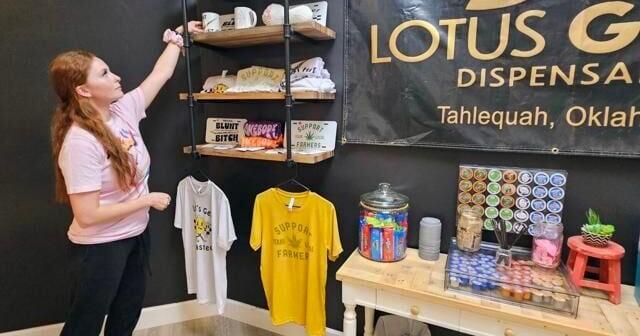
In Cherokee County, Oklahoma, medical marijuana dispensaries face a plethora of regulations and compliance requirements as they navigate the legal landscape of cannabis. The complexities of acquiring a medical marijuana license and adhering to state law create unique challenges for both dispensaries and consumers.
Understanding Medical Marijuana Legislation
According to Cherokee County Sheriff Jason Chennault, anyone looking to buy or use marijuana in Oklahoma must obtain a medical marijuana license. This requirement underscores the importance of adhering to the legal framework established at both the state and federal levels.
Legal Risks and Considerations
Chennault advises potential medical marijuana users to weigh the benefits of use against the risks associated with possible federal charges for possession and consumption. Despite state legalization, marijuana remains illegal on a federal level, creating a blend of uncertainty and caution for users and dispensaries alike.
Regulatory Oversight of Dispensaries
The Oklahoma Medical Marijuana Authority (OMMA) plays a crucial role in regulating dispensaries within Cherokee County. According to Sheriff Chennault, enforcing compliance with the requirements surrounding THC and CBD products has proven to be challenging due to vague guidelines initially established by the Oklahoma Legislature.
Licensing and Compliance Requirements
Dispensary owners, like Kari Wilkerson of Spectrum Cannabis, must adhere to stringent licensing requirements enforced by the Oklahoma Bureau of Narcotics and Dangerous Drugs and OMMA. These establishments undergo annual inspections and must secure occupancy and dispensary permits from local jurisdictions, such as the city of Tahlequah.
Separate Standards for CBD and THC
Dispensaries often sell both THC and CBD products, each possessing distinct effects on consumers. While cannabis-derived CBD is known for its medicinal benefits—like treating epilepsy, inflammation, pain, and anxiety—it is non-psychoactive. In contrast, THC produces psychoactive effects, which are typically associated with the euphoric “high” of marijuana.
Different Regulatory Frameworks
Interestingly, CBD-only products are categorized differently under state law and aren’t considered controlled substances, rendering them unregulated by the OMMA or the Oklahoma Bureau of Narcotics and Dangerous Drugs (OBNDD). Conversely, THC products are subject to strict regulations, including specific packaging requirements to ensure safety, particularly in regards to child-resistant packaging and the necessary warning labels.
Financial Transactions in the Cannabis Industry
The lingering federal prohibition on marijuana also leads to financial complications for dispensaries. Because banks are hesitant to engage with cannabis-related businesses due to federal regulations, many dispensaries, including Spectrum Cannabis, can only accept cash transactions. This limitation not only affects the commercial side of the dispensaries but also impacts consumers, restricting convenient payment methods.
Access Limitations for Consumers
The ongoing federal illegality of THC restricts the customer base for dispensaries. Brooklynn Brown, manager at CBD Plus, notes that if federal laws were to change, they could expand their services significantly. This includes offering delivery services, which would benefit patients unable to visit in person and depend on caregivers for their medical marijuana needs.
Final Thoughts
The medical marijuana landscape in Cherokee County, and indeed across Oklahoma, is constantly evolving. As both state and federal laws develop over time, so too will the opportunities and challenges for dispensaries and medical marijuana users. A clearer regulatory structure may help alleviate some of the burdens currently faced by those involved in this growing industry.


0 Comments