

The Dangers of Illegal Cannabis Cultivation: A Case Study from Big Sur
Tucked away in the scenic expanse of Big Sur, a major environmental incident unfolded as Jacinto Correa Cruz, a 56-year-old Mexican national, orchestrated a large-scale, illegal cannabis operation within the protected confines of the Los Padres National Forest. The operation, which came to light in December 2021, highlights the broader implications of illicit drug cultivation on our environment and the challenges faced by law enforcement.
Details of the Operation
On December 17, 2023, Correa Cruz pleaded guilty in federal court to charges related to his environmental degradation as he pursued a lucrative marijuana cultivation scheme. An environmental damage assessment revealed that Correa Cruz’s operation included six separate cultivation sites that diverted approximately 33,780 gallons of water daily from local sources amidst severe drought conditions. This environmental destruction also involved the application of numerous pesticides, many of which are either banned or heavily restricted due to their harmful effects on health and wildlife.
The Environmental Impact
Fixing the ecological damage inflicted by Correa Cruz’s cultivation sites is estimated to cost more than $92,540 per site. Robert Tripp, Special Agent in Charge of the FBI San Francisco division, remarked, “Jacinto Correa Cruz helped poison the pristine lands of the Los Padres National Forest.” The enduring effects of this environmental harm are expected to take years to remediate.
Biodiversity in Peril
The operation was located in an area noted for its rich biodiversity, where numerous threatened and endangered species thrive. This region is a sanctuary for the California condor, a critically endangered species under the Endangered Species Act, which frequently uses these woods for habitat.
Law Enforcement Response
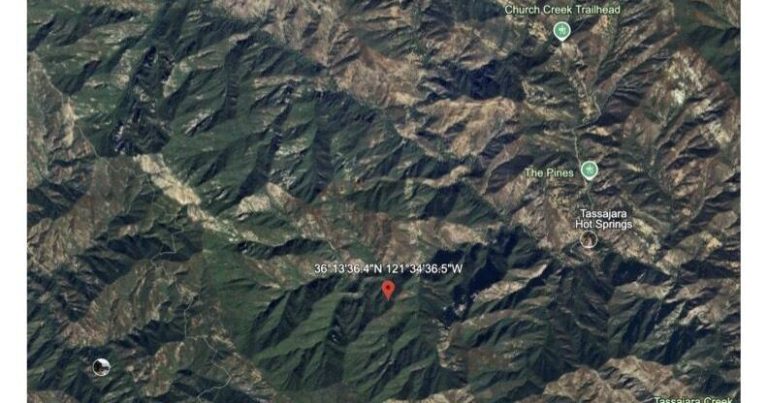
Correa Cruz’s illegal operations came to a halt following a collaborative effort from the U.S. Forest Service and other federal and state agencies, who conducted an intensive search in July 2022. Initial discoveries during investigations led by the U.S. Forest Service began as early as 2020, revealing that six marijuana cultivation sites existed in close proximity to the ecologically sensitive Tassajara Creek.
Tragic Discoveries on the Ground
One cultivation area, dubbed the “Zen cultivation site”, was particularly significant, encompassing six plots with around 10,000 marijuana plants. The site also revealed alarming conditions, including the presence of firearms, makeshift camping accommodations, malodorous refuse, and remnants of local wildlife, such as fawn deer feet and rattlesnake rattles.
Hazardous Chemicals Used
Investigators identified carbofuran, a highly toxic insecticide banned in the U.S., as one of the primary pesticides used on the site. This chemical is known for its extreme lethality, being dangerous to humans and wildlife even in minimal quantities. Additionally, over 45 pounds of diphacinone, a harmful rodenticide, was found, further jeopardizing the lives of local wildlife and posing a risk of secondary poisoning to animals like the California condor.
Culminating Consequences
The illegal cultivation of marijuana poses severe environmental risks not just to the local ecosystem but also to broader public land management. U.S. Attorney Ismail J. Ramsey has emphasized the ongoing commitment to prosecuting those who exploit natural resources for illegal gain.
Broader Implications for the Area
Illegal grow operations are a recurring issue in California, threatening both the local ecology and the revenue generated by legal cannabis markets. Similar unlawful cultivations have been reported in the past, including a major crackdown in Carmel Valley in July 2018, which also uncovered banned pesticides like carbofuran. Investigations into the Dolan Fire of 2020, which scorched 125,000 acres of the Los Padres National Forest and contributed to the deaths of 11 California condors, were linked to another illegal marijuana cultivation operation.
The Path to Justice
As Correa Cruz awaits sentencing, he faces the possibility of up to 20 years in prison for each offense, paired with a substantial fine of $1 million and mandated restitution. The sentencing hearing is scheduled for March 4, 2025, where the full ramifications of his actions will be determined.
Conclusion
The case of Jacinto Correa Cruz serves as a cautionary tale about the environmental costs associated with illegal cannabis operations. As law enforcement works to combat these activities, it is crucial for the public to understand the wide-reaching implications such actions have on local ecosystems, wildlife preservation, and community health.


0 Comments