

Combatting Vaping: UST’s Innovative Approach in Campus Restrooms
As vaping continues to be a significant concern in schools and university campuses, the University of Santo Tomas (UST) is taking proactive measures to address this issue. The College of Commerce and Business Administration has recently upgraded its facilities to combat the growing trend of vaping among students, particularly in restrooms.
Installation of Smoke and Haze Detectors
In a move to deter the use of e-cigarettes and vapes, UST has installed photographic smoke and haze detectors in restrooms located within the St. Raymund de Peñafort Building. This initiative was set in motion after the college received an influx of complaints from both students and parents about the prevalence of vaping in these areas.
Asst. Dean Francis de Jesus shared that the college installed four detectors on the third and fourth floors as part of their response to these concerns. He indicated, “Our office has been receiving multiple complaints from students and their parents who are witnesses to their fellow students who are vaping inside restrooms.” This surge in complaints prompted the college to take action to foster a healthier environment for all students.
Ensuring Safety Beyond Vaping
While the primary goal of the detectors is to curb vaping, they also serve a crucial role in overall campus safety. According to De Jesus, “The detectors sound an alarm when triggered by vapor or smoke, and are also an added layer of precaution in case a fire breaks out.” The importance of this measure cannot be overstated, especially considering a major fire incident that affected the Commerce floors in 2015. Vaping and the devices associated with it have been known to cause explosions, further emphasizing the need for vigilance in maintaining campus safety.
Clear Messaging and Consequences
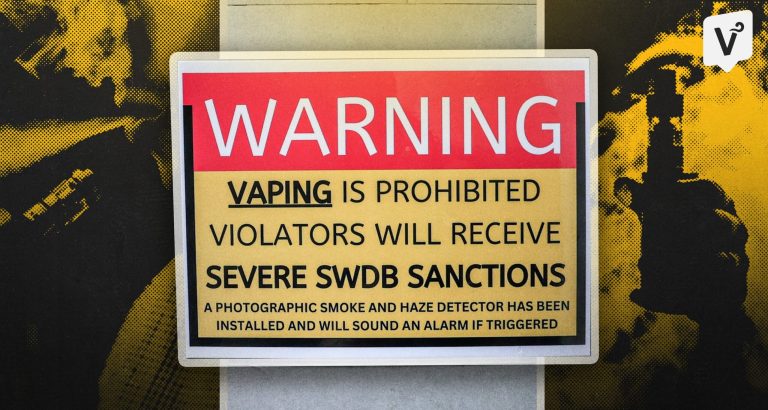
To reinforce the new initiatives, multiple warning signs have been posted in the bathrooms stating, “Warning: Vaping is prohibited. Violators will receive severe SWDB sanctions.” These clear messages are designed to inform and remind students of the institution’s stance on vaping.

Enforcement of Policies
Students caught in the act of vaping or smoking inside these restrooms face strict consequences. The range of potential punishments can vary from a reprimand to potential suspension, largely depending on the severity and frequency of the offenses. Such policies are clearly outlined in Section C-7 of the UST Student Handbook, ensuring that all students are aware of the implications of their actions.
With the college continuing to address this issue, De Jesus noted that they have already requested additional detectors from the Facilities Management Office to further enhance their surveillance capabilities.
The Bigger Picture: Addressing Youth Vaping
Vaping has become an alarming trend among youth, prompting educational institutions to implement stricter policies and embrace new technologies to discourage this behavior. The measures being taken by UST reflect a broader commitment to not only enhance student safety but also promote a healthier lifestyle on campus.
As trends in tobacco and vaping continue to evolve, it’s critical for educational institutions to remain vigilant and proactive in their strategies to combat these issues. Efforts like those at UST demonstrate an important step toward fostering a safe and conducive learning environment.
Conclusion
With the installation of smoke and haze detectors and a clear stance against vaping, UST is setting a precedent for other institutions facing similar challenges. As the fight against vaping continues, it’s crucial for colleges and universities to adopt innovative solutions that prioritize student safety and well-being.


0 Comments