
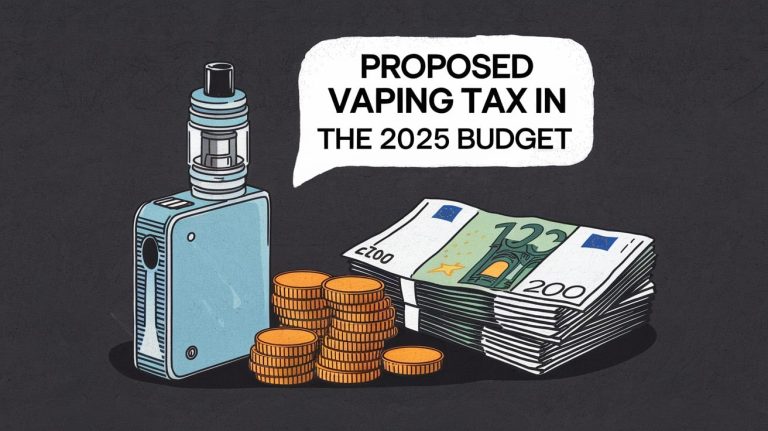

The Impact of the New Vaping Tax: What You Need to Know
The introduction of a new tax on vaping products, set to take effect in 2025, has ignited a robust debate among various stakeholders including policymakers, public health advocates, industry representatives, and consumers. The implications of this upcoming tax extend beyond simple revenue generation; it touches upon significant public health concerns and economic factors affecting small businesses and consumers alike. In this article, we will explore the various arguments for and against the vaping tax and speculate about its potential effects on the landscape of vaping and smoking.
Arguments for Implementing the Vaping Tax
1. Public Health Concerns
Proponents of the vaping tax emphasize its potential role in reducing usage rates, particularly among young people. With increasing evidence linking vaping to health issues, policymakers believe that imposing a tax could deter initiation and reduce the prevalence of vaping-related health problems. By making these products less financially accessible, they hope to combat the growing trend of nicotine addiction among adolescents.
2. Revenue Generation
Another significant argument in favor of the vaping tax is its potential to generate substantial revenue for governments. This income could be allocated to public health initiatives, educational campaigns, or programs aimed at supporting smoking cessation. Such funding is critical, especially as governments look for ways to address the health challenges posed by both vaping and smoking.
3. Leveling the Playing Field
Advocates argue that a vaping tax can help create a more equitable regulatory landscape between traditional tobacco products and vaping. Currently, significant disparities exist; traditional tobacco products are heavily taxed while many vaping products remain more affordable. By implementing this tax, supporters believe it can potentially reduce overall tobacco use, contributing to public health goals.
4. Preventing Addiction
By raising prices through taxation, the likelihood of new users—particularly adolescents—starting to vape decreases. The rationale is clear: higher costs can serve as a deterrent against initiation, thereby helping to prevent nicotine addiction from taking root in younger demographics.
Arguments Against the Vaping Tax
1. Economic Impact on Businesses
Critics of the vaping tax highlight several potential economic repercussions, especially for small businesses reliant on vaping products. They argue that the new tax could lead to job losses and economic downturns in sectors tied to the vaping industry. For many, the additional financial burden could be detrimental, particularly during a time when businesses are still recovering from the impacts of the COVID-19 pandemic.
2. Targeting Consumers
Opponents may contend that the tax will unduly burden lower-income consumers who use vaping products as an alternative to traditional smoking. For many, vaping is a tool for harm reduction; consequently, increased costs could push these consumers away from a safer option and potentially back toward smoking.
3. Potential for Black Market Growth
There is also concern that heightened taxation could fuel the growth of a black market for vaping products. As prices rise, consumers may opt to seek cheaper, unregulated alternatives, which can significantly increase the risks associated with vaping. This could also undermine any public health goals that the tax aims to achieve by driving users to unverified products.
4. Limited Evidence of Effectiveness
Critics argue that there is limited evidence suggesting that taxation will significantly deter youth vaping or reduce overall smoking rates. Many believe that determined users will find ways to circumvent financial barriers, questioning the effectiveness of implementing a tax in the first place.
The Future of the Debate
The discussion surrounding the vaping tax is far from settled. As stakeholders continue to weigh the potential benefits and drawbacks, policymakers will need to consider numerous factors. Public consultations, research on similar taxes in other regions, and insights from health experts and industry representatives will play vital roles in shaping proposed legislation.
Ultimately, the goal for policymakers will be to find a balance between protecting public health interests and addressing economic concerns while respecting consumer rights. The tax’s success will depend not only on the policy’s design but also on how it is implemented and perceived by the public and industry.
Conclusion
The upcoming vaping tax will be more than just a financial hurdle; it raises complex issues that need careful consideration. As the year 2025 approaches, the dialogue surrounding this tax will likely intensify, influencing public opinion and potentially reshaping the vaping landscape. Keeping an eye on developments and engaging in discussions will be crucial for all stakeholders involved.


0 Comments