
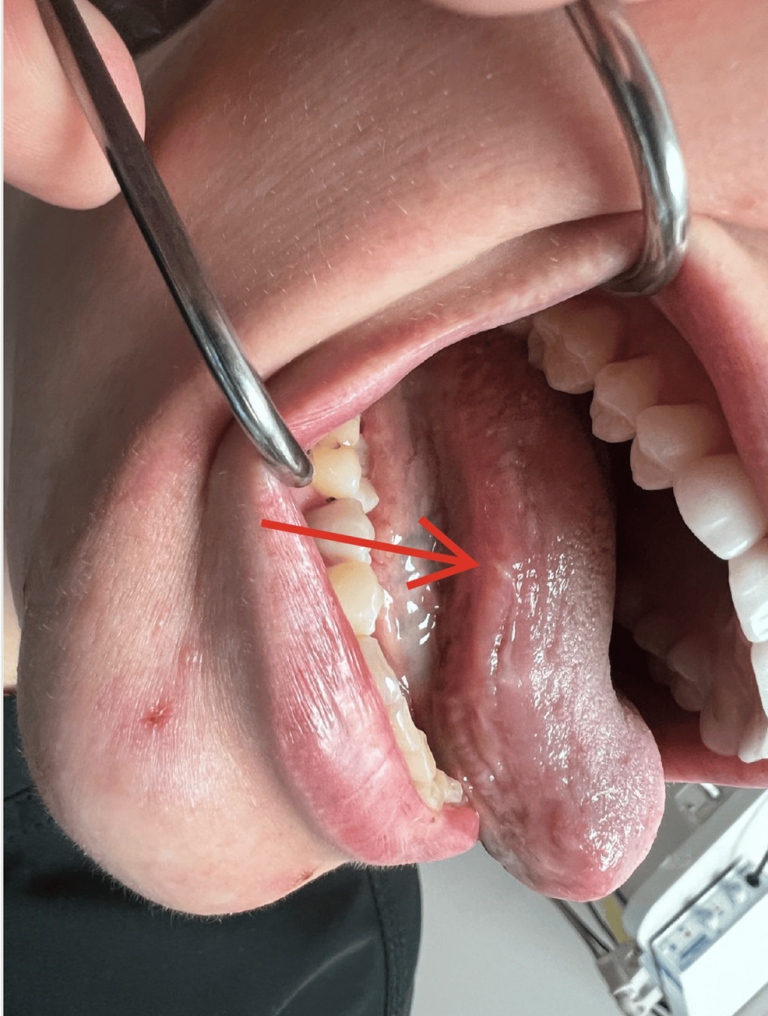

Exploring the Potential Link Between Vaping and Recurrent Aphthous Stomatitis
Recurrent aphthous stomatitis (RAS) is a prevalent oral condition characterized by the frequent emergence of painful oral ulcers. While the precise cause of RAS remains unclear, various environmental and lifestyle factors have been identified as potential triggers. With the rise in popularity of vaping, particularly among younger populations, it is crucial to investigate its potential health impacts, especially regarding oral health. This article delves into a case series that examines the possible association between vaping and the frequency and severity of RAS.
Understanding Recurrent Aphthous Stomatitis (RAS)
Recurrent aphthous stomatitis, often referred to as canker sores, manifests as painful ulcers in the oral mucosa. These lesions can be triggered by numerous factors, including:
- Stress
- Dietary elements
- Systemic diseases
- Hormonal changes
Despite the commonality of RAS, its pathogenesis is not fully understood, leading researchers to consider new possible contributing factors such as vaping. With the diverse array of chemicals found in e-liquids—such as nicotine, flavoring agents, and other additives—the potential health implications for users are concerning.
Vaping and Its Ingredients
Vaping involves inhaling vapor produced by electronic cigarettes or similar devices. These products often contain:
- Nicotine: A highly addictive substance that can impact mucosal healing.
- Flavoring agents: Chemicals that enhance taste but may also irritate the oral mucosa.
- Propylene glycol and vegetable glycerin: Common components in e-liquids that may lead to irritation and inflammation.
The influx of these substances, especially among younger users, raises questions about their effects on oral health, specifically regarding RAS.
Case Series Analysis
This case series investigates five individuals, aged 18 to 26, who reported a notable increase in the frequency and severity of RAS symptoms after taking up vaping.
Patient Profiles
- Patient 1: An 18-year-old male with occasional RAS operationally increased his ulcer frequency from rare episodes to weekly occurrences following the daily use of vaping products.
- Patient 2: A 22-year-old female developed her first instance of RAS six months after beginning to vape, experiencing persistent lesions for over three weeks.
- Patient 3: A 20-year-old male who had mild RAS saw a worsening of his condition to severe episodes requiring corticosteroid treatment after initiating vaping.
- Patient 4: A 26-year-old female with no previous history of RAS reported recurrent ulcers after four months of using flavored vape products.
- Patient 5: A 24-year-old male noticed declining oral health, linking the onset of RAS to the chemical composition of his vaping liquids.
Notably, all patients experienced a resolution of symptoms upon ceasing their vaping practices, providing initial evidence of a possible correlation between vaping and RAS exacerbations.
Discussion: Unpacking the Findings
The findings of this case series suggest that there may be a relationship between vaping habits and the exacerbation of recurrent aphthous stomatitis. The flavored e-liquids, often laden with irritants, may contribute to inflammation in the oral mucosa, fostering an environment conducive to ulcer formation.
Moreover, nicotine’s noted effects on mucosal healing could further explain the increase in ulcer occurrences among vaping individuals. The connection between RAS and these lifestyle changes underscores the urgent need for further inquiry.
The Need for Further Research
Given the small sample size of this case series, it is paramount to conduct larger studies with more comprehensive data. Controlled trials focusing on the mechanisms behind the potential association will yield significant insights into whether vaping is a contributing factor to RAS or if other underlying issues might play a role.
Conclusion: Clinical Implications
This case series offers preliminary evidence of a potential link between vaping and recurrent aphthous stomatitis. Healthcare professionals must remain vigilant in recognizing this association when assessing patients with new or worsening symptoms of RAS. As vaping continues to proliferate, understanding its health implications, especially concerning oral conditions, is critical for conveying appropriate patient education and intervention strategies.


0 Comments