
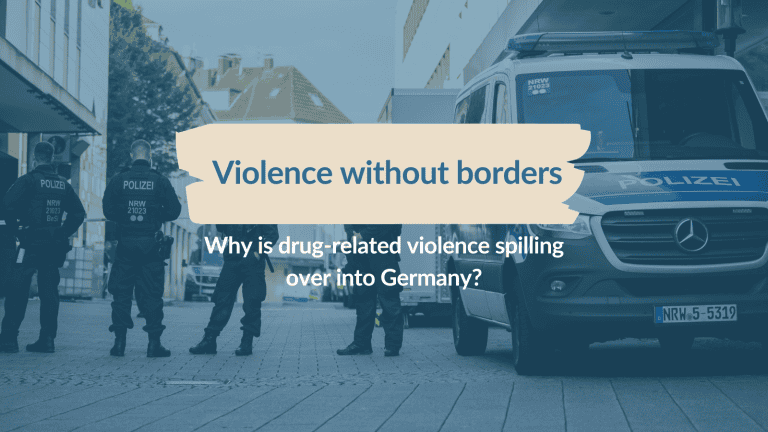

The Rising Threat of Organized Crime in Germany: Unpacking the ‘Mocro’ Mafia and Recent Developments
In July 2024, a drug dealer in Germany inadvertently triggered a significant wave of violence. While livestreaming to showcase a stash of half a tonne of cannabis, he became the target of theft when 300 kilograms were stolen by an online viewer during his absence. This incident marked a worrying escalation of organized crime in Germany, particularly linked to the infamous ‘Mocro’ mafia, a network primarily identified with Dutch criminal activities.
Violence Erupts
The cannabis heist unleashed a torrent of violence across North Rhine-Westphalia, resulting in multiple explosions and a tragic incident where a 17-year-old was killed in a failed bombing attempt. The unrest did not stop there; it also led to the kidnapping and torture of a rival gang member, escalating the fierce competition between criminal networks.
Germany’s Illusion of Safety
Historically, Germans viewed organized crime as a distant issue, relegated to neighboring countries like the Netherlands and Belgium, which have dealt with severe criminal violence, including assassinations and bombings. However, a 2023 report by the Global Organized Crime Index highlighted a concerning trend—Germany’s criminality and resilience were waning, foreshadowing recent violent occurrences.
Understanding the ‘Mocro’ Mafia
Germany’s drug market is a complex landscape, influenced by a myriad of criminal networks, including the ‘Mocro’ mafia. This group is notorious for its role in cocaine smuggling, which is valued at over €10 billion annually, primarily sourced from Latin America. Emerging in the 1960s with Moroccan immigration to the Netherlands, the Mocro mafia has evolved into a powerful force that collaborates with various ethnic groups.
With their finger on the pulse of both legal cannabis retail and an illegal wholesale market, the Mocro mafia has solidified its influence in the drug trade and expanded its operations into Europe. Their use of extreme violence to protect their interests is evident in high-profile killings that have drawn media attention and led to increased fears among the public and officials alike.
Germany as a Cocaine Hub
Germany’s strategic location in Europe makes it a prime target for the Mocro mafia’s cocaine operations. The decline of cocaine seizures in neighboring ports may indicate a shift in the center of organized criminal activity toward Germany. While traditional routes are disrupted, the demand for cocaine remains high, further entrenching this criminal network.
Escalating Violence and Rising Threats
As the organized crime scene becomes increasingly competitive, there is grave concern regarding the rise in violence among factions. High-powered drug trafficking cartels often resort to lethal confrontation over territory and dominance, indicating a dangerous shift in the criminal landscape.
Market Dynamics and Emerging Trends
The European drug market is experiencing significant upheaval. Factors such as potential heroin shortages due to Taliban policies, the influence of the Ukraine conflict on heroin routes, and the emergence of new psychoactive substances are reshaping the criminal landscape. Additionally, Germany’s recent moves towards cannabis legalization may unintentionally provide a boost to organized crime if not managed effectively.
Navigating the Future of Organized Crime
With numerous criminal networks vying for control, the competition will likely provoke further violence, challenging law enforcement efforts. Addressing the criminal ecosystems necessitates a comprehensive approach that looks beyond individual prosecutions, focusing instead on disrupting entire networks.
Moreover, introducing a regulated cannabis supply chain alongside home cultivation initiatives can minimize the unintended benefits that organized crime could reap from legalization. Comparing experiences from other nations highlights the importance of independent research to improve understanding of criminal activities and reinforce Australia’s strategy against organized crime.
Conclusion: Monitoring Ongoing Developments
Germany is at a critical juncture as it confronts the ramifications of escalated organized crime and violence. Ongoing analysis and proactive monitoring will be essential to remain ahead of evolving threats and to enhance resilience against the burgeoning tide of criminal activity.


0 Comments